

Asbestos in Schools: Regulations, Removal & Monitoring
Why Was Asbestos Originally Used?
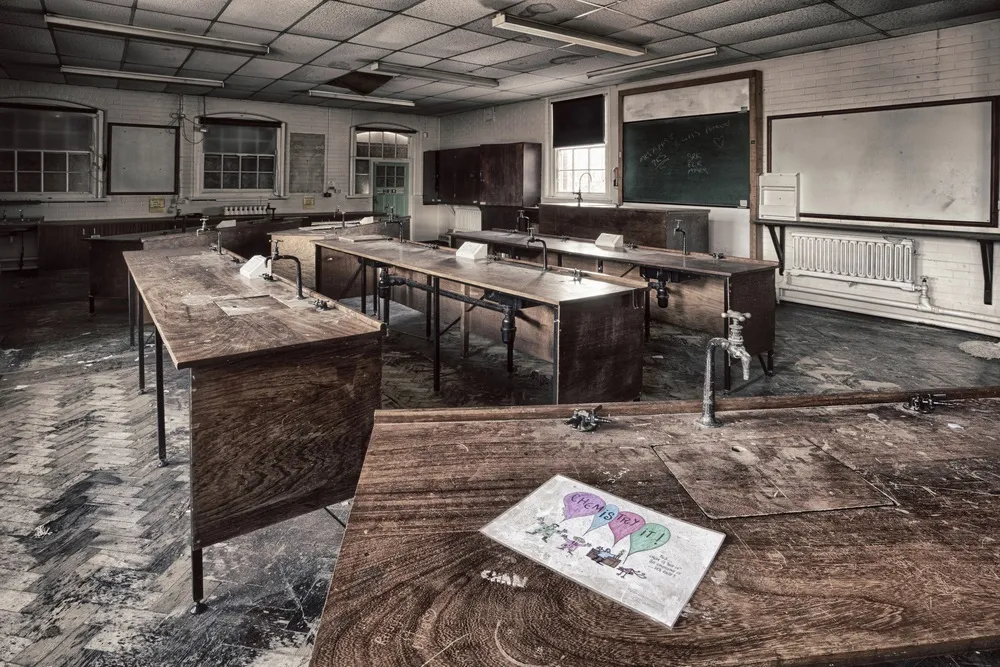
Asbestos was valued for its durability and resistance to heat and found its way into nearly every part of school construction. From classrooms and cafeterias to mechanical rooms and hallways, asbestos in schools was commonly found wherever fire protection was a concern.
Over time, these materials can deteriorate due to age, renovations, or normal building movement. When asbestos-containing materials become damaged or disturbed, they can release microscopic fibers into the air, creating a serious health risk for students, teachers, and maintenance staff.
Asbestos In Schools
Asbestos is a group of dangerous fibers that was commonly used in construction before it was banned in the 1980s. When almost half of all United States schools were built between 1950 and 1969, asbestos exposure in schools is still a prominent concern.
Schools have a responsibility to keep students and staff safe. And while complete asbestos removal is sometimes the best option, it isn't always necessary. Sometimes, encapsulation is a more practical choice.
Below, learn all about asbestos abatement in schools, reporting laws, and how to safely manage the process with the fewest impacts to your schedule and budget.
What Asbestos Building Materials are in Older Schools?
Asbestos was commonly used in over 3,000 building materials for its lightweight, fire-resistant properties. Some of the most common building materials likely to be present in schools include:
- Floor And Ceiling Tiles
- Insulation
- Textured Ceilings And Walls
- Ductwork And Duct Adhesives
- Roofing Or Shingles
- Spray-on Fireproofing Around Doors And Windows
Over time, the fibers in asbestos building materials naturally break down and can send particles airborne, causing health hazards for anyone inside the school.
Asbestos Risks For Children
Children exposed to significant amounts of asbestos in schools can go on to develop the associated conditions later in life, including breathing problems, mesothelioma, and lung cancer. It can take up to 40 years for the health effects of asbestos to appear, making kids more likely to develop health problems than adults exposed later in life.
Kids face a higher risk of health effects from asbestos exposure, as their lungs are smaller and still developing. They also breathe at a faster rate, allowing them to inhale more deadly particles in the same amount of asbestos exposure time. Young kids can also stick their fingers in their mouths, posing an ingestion risk.
Managing asbestos is crucial to preserve childrens’ health and well-being.
Asbestos Reporting Requirements For Schools
In Rhode Island, the Department of Health requires all schools to conduct an asbestos inspection with a certified inspector. This law is in addition to federal legislation by the Environmental Protection Agency (EPA), which requires asbestos inspections in public school districts and non-profit schools.
Rhode Island Asbestos In Schools Regulations
Asbestos regulations are stringent for good reason. If asbestos-containing materials are found during the inspection, Rhode Island requires schools to adopt a management protocol to address them.
If the materials are intact, it’s not always necessary to address them right away, as the particles aren’t airborne. But keeping a close eye on the issue is crucial, as the status could change at any time due to leaks or material deterioration.
The Rhode Island Health Department recommends that school administrators take the following steps:
- Conduct surveillance of the site every six months to assess for changes, and re-inspect with a certified inspector every three years
- Assign and train a staff member to oversee the management of the asbestos and provide asbestos awareness training for custodians and maintenance
- Offering regular updates to parents and staff through annual notifications on inspection results and response plans
- Post warning labels adjacent to areas containing asbestos
How To Safely Address Asbestos In Schools
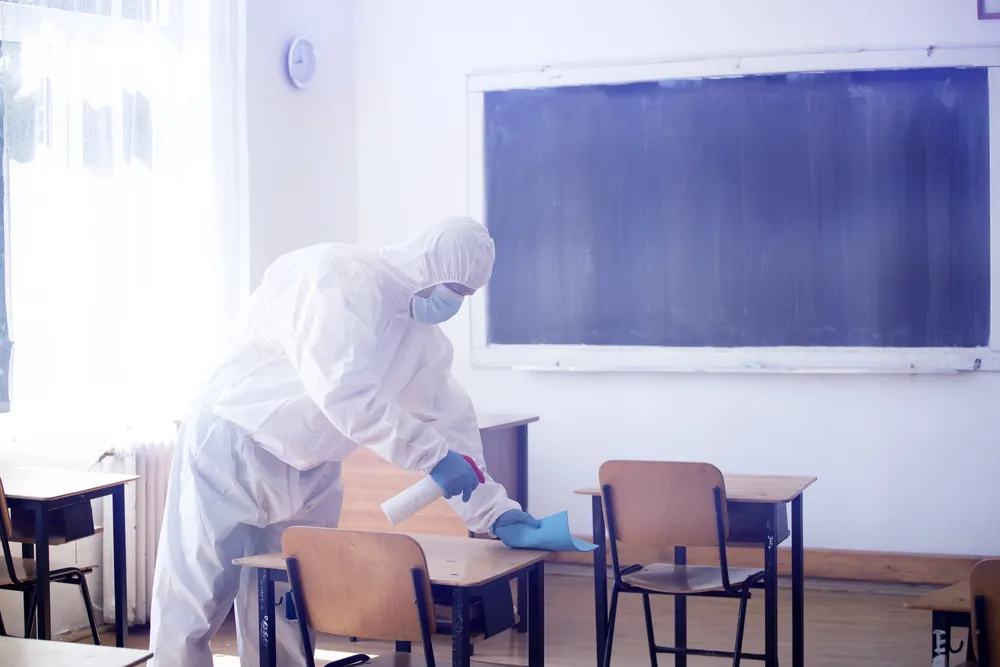
Under Rhode Island asbestos law, commercial buildings and public spaces, such as schools, must use a certified asbestos contractor to address the issue.
If the asbestos shows signs of decay or if plans will disturb the asbestos particles, you have two main options to address it: encapsulation or removal. Here’s how each option stacks up.
Asbestos Removal
Asbestos removal is the process of completely removing all materials containing asbestos from the premises, and sometimes replacing them with new ones.
Asbestos removal will address the issue permanently, but it also requires quarantining the impacted area and preventing airborne particles from leaving the work area during removal. Depending on the scope of the asbestos issue, a full removal could present a challenge for scheduling or budgeting during the school year.
However, if the asbestos-containing materials are in particularly bad shape, or renovations will disturb asbestos-containing materials anyway, complete removal can be a more practical option – especially during downtime periods, like summer break.
Asbestos Encapsulation
If the asbestos in schools is still intact, such as in sheets inside walls or within whole floor tiles, encapsulation could be a more practical option. Asbestos encapsulation involves sealing the asbestos in place so the particles can’t escape into the air. So, even though the materials are still present, the particles don’t pose a health hazard.
Encapsulation can be a better fit for low-traffic areas or in places where you don’t anticipate disturbing asbestos materials in the future. But if the asbestos is in a high-traffic area, or if it’s starting to crumble, full removal may be a more effective option.
Post-Abatement Testing For Asbestos In Schools
No matter which option you choose, it’s important to follow up with an air quality test, so you can ensure that the school doesn’t contain hazardous amounts of asbestos and the air is safe to breathe for both kids and adults.
Asbestos Removal And Encapsulation For Rhode Island Schools
If you need a team of asbestos abatement professionals who can help you choose the safest, fastest option to handle asbestos in a school, PRIME Remediation is here for you. Asbestos abatement in Rhode Island and surrounding areas is what we specialize in.
We offer both encapsulation and full removal using the latest abatement techniques and safety measures. We take every precaution to keep your downtime to the absolute minimum. Contact us today to learn how we can address asbestos in a Rhode Island school and make the building safe for class, gym, or any other activities.