
Asbestos Pipe Insulation: Managing "Elbows" and Boiler Wrap Hazards
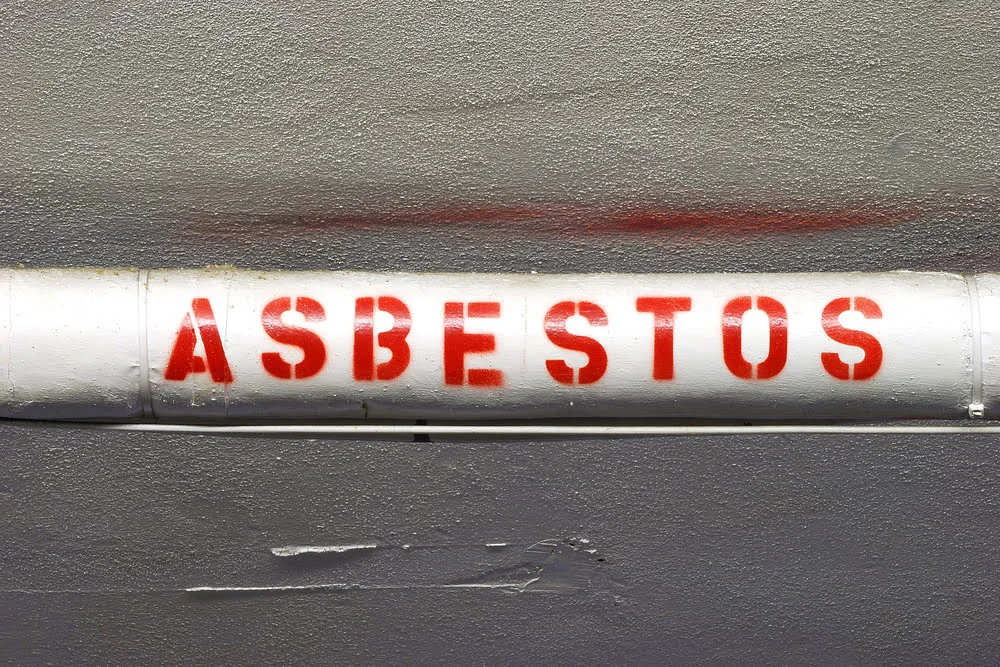
If you’re renovating an older home or commercial building, you’ll likely encounter asbestos pipe insulation in the basement, subfloor, or walls. Pipe insulation is highly friable (crumbly), meaning that there’s a high chance of it shedding dangerous asbestos particles.
That’s why we’re here to cover how you can identify asbestos on pipes, whether removal or remediation is right for you, and how you can work with a Rhode Island Asbestos Contractor can make your space safe for everyone.
What is asbestos pipe insulation?
Asbestos pipe insulation was the industry-standard way to insulate hot and cold water pipes and boilers before being banned in 1975. The asbestos particles are extremely dangerous when they disperse. It can render entire rooms unsafe and put you at risk of cancers like mesothelioma just by breathing in the air.
There were three common types of asbestos used for pipes and plumbing fixtures: Wraps, sprays, and blocks. Your building might only have one type or a mixture of all three.
Asbestos pipe insulation wraps
Asbestos pipe insulation wraps are a cloth cover made with fibers laced with asbestos. They usually have a wool or fibrous interior, with an outer cover made with canvas, linen, or paper.
Spray-on asbestos pipe insulation
Around pipe joints and elbows, builders often used a spray-on asbestos that looked like plaster mud. It has a lumpy, cement-like texture, but older spray insulation may turn crumbly and dry.
Back boiler asbestos insulation
Boilers were often encased with solid blocks of insulation, especially close to walls. They were white or grey, around one inch thick, and usually glued directly to the wall. Boilers could also be covered with cloth wraps or spray-on insulation.
Where asbestos pipe insulation is located
Any pre-1980s home or building is highly likely to have asbestos pipe wrappings or insulation. With plumbing fixtures, you’ll typically find them in basements or cellars, subfloors, or behind walls.
You’re also more likely to encounter older homes in certain states and cities. For example, nearly 60% of all houses in Providence, Rhode Island, were built before 1940.
What does asbestos pipe insulation look like?
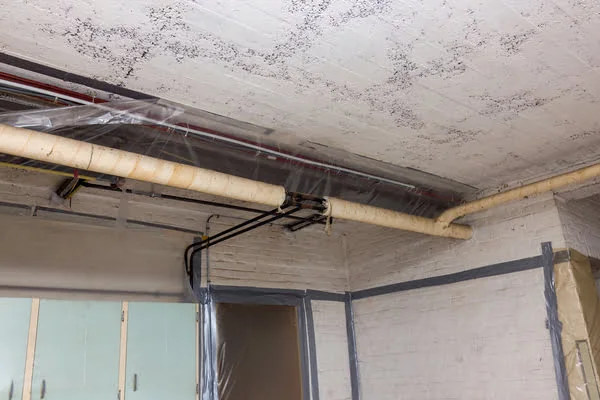
An asbestos pipe insulation wrap will typically have:
- An accordion-like texture, similar to corrugated cardboard
- Chalky white or gray color
- Lumpy or plaster-like texture around elbows and joints
- A brittle or chalky appearance
How to test asbestos
It’s impossible to identify asbestos pipe insulation on sight alone. To be definitive, you’ll need a test from a licensed asbestos inspector. In Rhode Island, you can find certified asbestos inspectors listed on the Department of Health’s website.
That said, if your house was built before 1975 and the pipe insulation is original, it’s safe to assume it has asbestos.
How to manage asbestos pipe insulation
If you find pipe wrappings that you believe have asbestos, don’t disturb them. As long as the asbestos is intact, it doesn’t necessarily pose an immediate health risk, since there aren’t particles in the air.
If the wrappings are visibly crumbling or dusty, stay out of the room. Asbestos particles could already be in the air and pose a breathing risk. Instead, leave them alone until you can have a Rhode Island asbestos contractor inspect them.
Removal vs Remediation
There are two main ways a contractor can help you address an asbestos pipe wrapping: Encapsulation or removal.
Asbestos pipe insulation encapsulation
If the pipe wrapping is still in good shape, or it’s in a hard-to-reach area, then encapsulating it is usually the best option. This involves coating the pipe wrapper with a sealant, effectively locking the asbestos fibers inside.
Encapsulating asbestos on pipes is generally more affordable than a full removal – it averages about $70 - $100 linear foot from a licensed asbestos contractor. But keep in mind that if you need to replace the pipes later, you’ll still need to remove the asbestos pipe wrapping.
Asbestos pipe insulation removal
If the asbestos wrapping is in bad condition or you need to replace the pipes underneath, removing the pipe insulation is a more practical choice. Removal could also be more practical if you need to access the area frequently, like an asbestos-wrapped boiler.
Asbestos removal is more expensive than encapsulation, around $5 to $20 per square foot, not including disposal fees. But it’s necessary to decontaminate your plumbing and make your space safe to live or work in again.
Can you DIY asbestos pipe insulation removal?
That depends on where you’re located and whether the building is your duplex or single family home or a commercial building.
In Rhode Island, homeowners can DIY asbestos abatement and removal jobs, but for hard-to-reach places, large projects, or crumbling asbestos that affects a bigger area, it’s always safest to leave it to the professionals.
For commercial buildings, apartments, or schools, Rhode Island asbestos law requires working with a professional licensed asbestos professional – like PRIME Restoration.
Work with A Rhode Island Asbestos Contractor
PRIME specializes in asbestos removal and remediation in commercial buildings and schools, for business owners and property managers who need total peace of mind.
Our approach uses the most minimally invasive tools and techniques to keep your downtime to an absolute minimum. Your basement, boiler room, or bathroom will be safe before you know it.
We also never pay other contractors referral fees, allowing us to pass those cost savings on and give you the lowest rates in the state. Contact us today to let us handle your asbestos pipe insulation.