

Emergency Restoration Services After Fire or Water Damage: Why Asbestos Clearance Matters
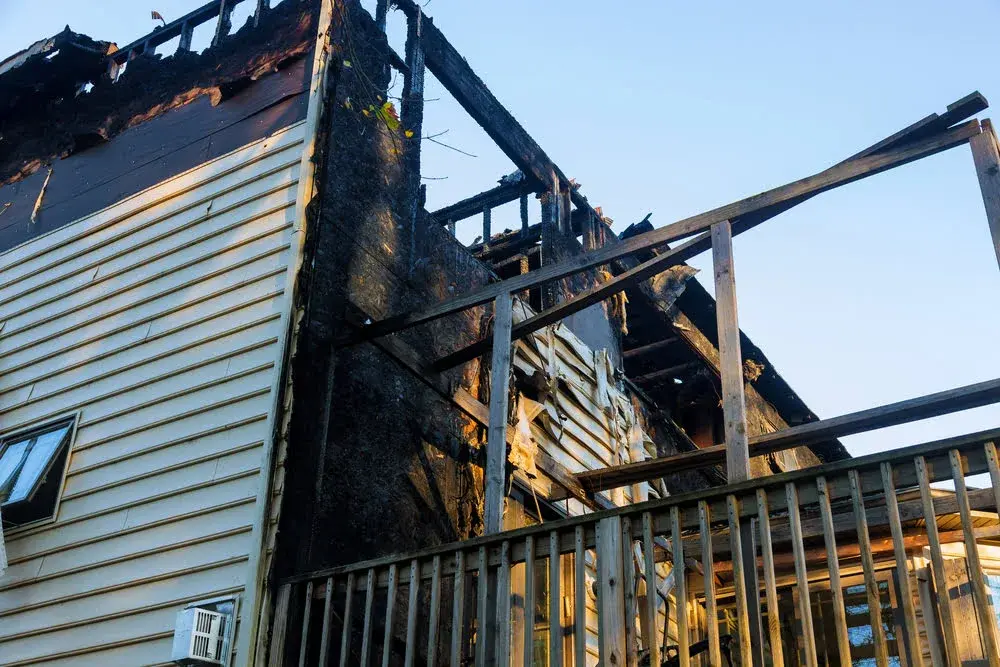
After a fire or major water leak, property owners want cleanup to begin quickly. Damaged walls, soaked flooring, and scattered debris create an immediate need for emergency restoration services. However, before crews begin tearing out building materials, another concern may need attention: asbestos.
When asbestos-containing materials are damaged or disturbed during cleanup, they can release airborne fibers. Identifying those materials early helps determine which repairs can proceed and which areas require specialized asbestos abatement.
Not every disaster recovery project requires asbestos removal. An assessment of the damaged materials and planned repairs helps determine whether asbestos is present and likely to be disturbed. If regulated abatement is necessary, the restoration and abatement teams can coordinate the work so repairs resume at the appropriate time. Clearance is an important step before the affected area returns to normal use.
Table of Contents
- Why Emergency Restoration Services Must Consider Asbestos
- Emergency Restoration Services After a Fire
- Emergency Restoration Services After Water Damage
- Why Testing Comes Before Tear-Out
- How Emergency Restoration Services Coordinate Asbestos Abatement
- Why Clearance Matters Before Emergency Restoration Services Resume
- Understanding Your Asbestos Clearance Report
- Rhode Island Requirements for Emergency Restoration Services
- Moving Forward With Emergency Restoration Services
Why Emergency Restoration Services Must Consider Asbestos
Asbestos was used in many building products, including certain types of pipe insulation, floor tile, siding, roofing, and textured finishes. Older buildings deserve particular attention, but construction year alone cannot confirm whether a material contains asbestos.
Fire damage, collapsed ceilings, and demolition can disturb materials that were previously intact. During recovery, damaged building materials and debris need careful evaluation before they are cut, broken apart, or hauled away.
This is where restoration planning and asbestos remediation overlap. The team needs to understand what was damaged, what repairs will disturb, and whether specialized handling is necessary.
For property owners, the practical question is straightforward: have the materials scheduled for removal been assessed before tear-out begins?
Emergency Restoration Services After a Fire
Recovering from a fire involves more than removing burned belongings and cleaning soot. Heat, falling debris, firefighting activities, and subsequent demolition can damage building components that contain asbestos.
The concern with asbestos after a fire is the potential for fibers to be released as damaged materials are disturbed. A room that appears ready for cleanup may still contain suspect insulation, ceiling materials, or flooring mixed into the debris.
Planning fire damage restoration should therefore include a review of the materials affected by the fire and the proposed repairs. Suspect debris should not be treated as ordinary construction waste until its handling requirements are established.
Owners should avoid moving or sorting potentially contaminated debris themselves. Keeping people away from affected areas helps prevent unnecessary disturbance while qualified professionals evaluate the next steps.
Emergency Restoration Services After Water Damage
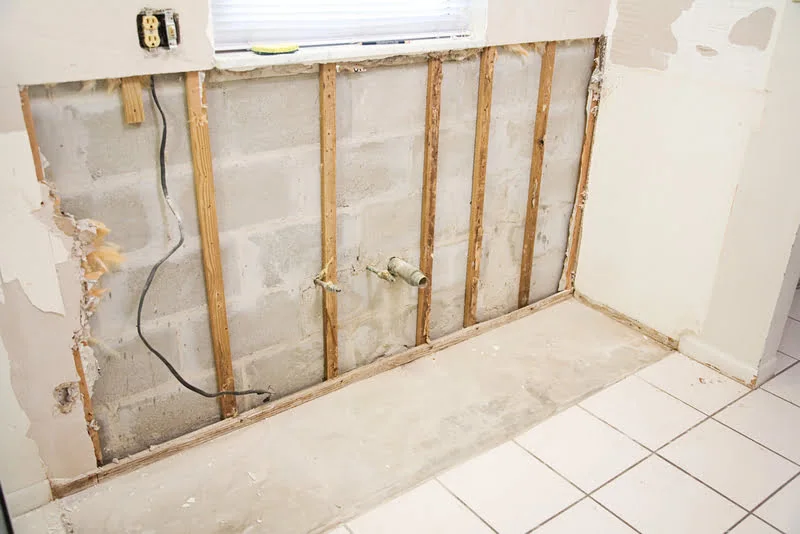
Water damage often creates a need to open walls, lift flooring, or remove insulation so concealed areas can dry. Those activities can disturb asbestos-containing materials even when the original problem was a plumbing leak.
For example, a repair may require removing flooring installed over older tile or accessing pipes behind a wall with suspect joint compound. Water exposure does not automatically make every material friable, but damaged materials and the methods used to remove them can affect the potential for fiber release.
Coordinated water damage restoration accounts for both moisture and suspect materials. Air movement across damaged asbestos-containing materials can increase exposure concerns, so drying equipment placement should be part of the professional assessment.
When emergency asbestos removal is necessary, the restoration and abatement teams should agree on the work boundaries and sequence. That coordination helps owners understand which activities can proceed and what must happen before affected areas are opened for repairs.
Why Testing Comes Before Tear-Out
An asbestos inspection helps identify suspect materials within the planned work area. When sampling is needed, a qualified professional collects material samples for laboratory analysis.
You generally cannot identify asbestos by appearance. Professional asbestos testing provides information that a visual walkthrough alone cannot establish, and property owners should not collect samples themselves. Sampling can release fibers if performed incorrectly.
Planning asbestos testing before demolition also helps define the scope of the project. The assessment should account for the materials the proposed work will disturb, including concealed layers where relevant.
A positive result does not automatically mean every asbestos-containing material in the building must be removed. Material condition and the likelihood of disturbance help determine the appropriate response. Intact materials outside the repair area may be suitable to remain undisturbed.
How Emergency Restoration Services Coordinate Asbestos Abatement
Once the assessment establishes the scope, the project team can coordinate asbestos abatement with the broader recovery plan.
The precise controls depend on the material and work involved. A typical project may include:
- Emergency stabilization: Addressing immediate hazards and limiting access to damaged areas.
- Assessment and planning: Identifying affected materials and establishing the work scope.
- Work-area protection: Installing the containment, isolation, and ventilation controls appropriate for the project.
- Controlled removal: Using required methods to limit fiber release during asbestos removal.
- Detailed cleaning: Completing asbestos cleanup with suitable HEPA equipment and cleaning procedures.
- Clearance and handoff: Completing applicable inspections and testing before releasing the area for subsequent work.
Worker protection must also account for asbestos exposure during construction activities, rather than relying solely on a final test after the job.
For commercial asbestos abatement, coordination should also address employees, tenants, delivery routes, and access to unaffected spaces. Owners should request a clear explanation of the work boundaries and any occupancy restrictions.
Why Clearance Matters Before Emergency Restoration Services Resume
Removal and clearance serve different purposes. Removal addresses the material included in the project; asbestos clearance testing evaluates whether the completed work area meets the applicable release criteria.
For Rhode Island projects subject to the post-abatement requirements, clearance results must be reviewed before containment barriers are dismantled and the abated area is reoccupied. Samples must be collected by an independent representative of the owner who is outside the abatement contractor’s control or supervision. Failed results require additional cleaning and retesting.
The appropriate asbestos air testing method depends on the applicable requirements. A single sampling procedure should not be presented as universal for every building or project.
Passing air quality testing after asbestos removal is not a guarantee that the entire property is asbestos-free or that every other hazard has been resolved. Structural damage, moisture, electrical conditions, and other restoration concerns still require their own assessment.
Understanding Your Asbestos Clearance Report
An asbestos clearance report gives the owner a record of the area evaluated and the testing performed.
Ask the project team to explain:
- Which rooms or containment areas the report covers.
- When and where samples were collected.
- Which analytical method and clearance criteria were used.
- Whether the results met those criteria.
- Whether any asbestos-containing materials remain outside the completed scope.
Keep the report with the inspection findings, project records, and waste documentation. These records help future contractors understand what was addressed and what may still need consideration before additional work.
Rhode Island Requirements for Emergency Restoration Services
Rhode Island’s Asbestos Control regulation, 216-RICR-50-15-1, addresses abatement planning, work practices, clearance, and disposal. Applicable requirements depend on the building and project.
For covered emergency projects without an approved plan, owners must contact RIDOH in advance unless immediate action is essential. Notification is due no later than one working day after work begins, followed by a written report within ten working days of completion. Work beyond defined spot repairs requires a licensed asbestos contractor.
When comparing providers through searches such as asbestos testing Rhode Island, asbestos abatement Rhode Island, or asbestos removal Rhode Island, look beyond emergency availability. Ask who will perform the assessment, manage regulatory coordination, and provide independent clearance.
A useful proposal should explain those responsibilities alongside the removal scope and restoration schedule. That gives the owner a clearer picture of how the project will move from emergency response to rebuilding.
Moving Forward With Emergency Restoration Services
Fire and water damage can make fast decisions unavoidable. A coordinated plan helps ensure that urgent repairs account for suspect materials, required abatement, and clearance before the affected area is released.
Prime Remediation provides restoration and asbestos abatement services and describes third-party air monitoring as part of its asbestos process. Bringing those needs into the conversation early helps establish an appropriate recovery plan.
If your property needs emergency restoration services after fire or water damage, contact Prime Remediation to discuss the damage, potential asbestos concerns, and the next steps toward recovery.