

Rhode Island Asbestos Regulations & Reporting Requirements
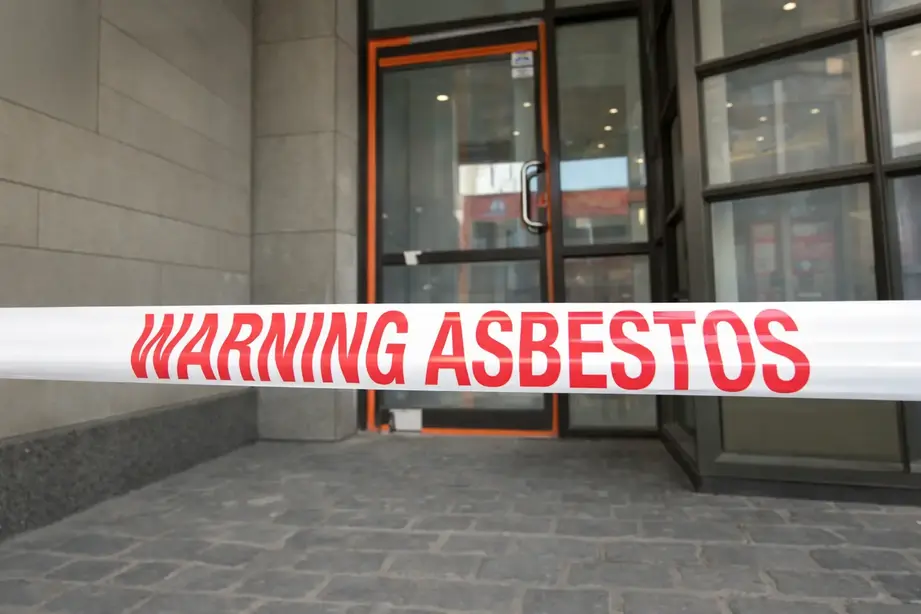
Asbestos in older buildings can cause serious health risks, like mesothelioma and other lung cancers. Rhode Island asbestos regulations and federal laws both have strict rules on when and how to report asbestos in a building and how to safely address it. Learn more about them below, so you can stay compliant and keep your space safe.
Asbestos Regulations - Disposal
Neither the federal government or the state of Rhode Island classifies asbestos-containing materials as toxic waste. However, Rhode Island’s sole solid waste disposal facility doesn't accept materials with asbestos. So, asbestos must be transported to an out-of-state landfill licensed to process it. Your contractor can arrange safe disposal of any asbestos for you.
Rhode Island’s Asbestos Regulations Explained
Rhode Island regulates asbestos differently depending on the type of property involved. Requirements vary based on whether the structure is a private single-family residence or a shared-use building—such as a retail establishment, multi-unit apartment complex, office building, or school—each of which may be subject to distinct notification, licensing, and abatement standards.
Rhode Island Asbestos Reporting Requirements for Commercial Buildings
Commercial buildings are regulated by the Rhode Island Department of Health (DOH).
If you suspect that part of your property contains asbestos, such as insulation or tiles, you should first contact a licensed inspector to test the materials. If you test positive for asbestos, you’ll need to work with a licensed abatement contractor. Rhode Island doesn’t allow DIY removals for commercial projects (or 3 family residential homes), however, does allow it for duplexes or less.
From there, you’d need to engage a Licensed Asbestos Project Designer to write the asbestos abatement plan prior to filing. This details your plan on how you’ll remove or encapsulate the asbestos and verify that the work will be done with a licensed specialist.
If your abatement plan checks out, you’ll then have 1 year to file a Start Work Notification with the DOH. This will include your plans to immediately address the asbestos and any interim or maintenance actions you need to take, such as periodically re-inspecting encapsulated asbestos. Approval typically takes 2–4 weeks. Once approval is received, a Start Work Notification must be filed. Please note that work may not begin until 10 business days after the notification has been submitted.
Rhode Island Asbestos Regulations for Employers
Employers have a duty to inform workers if a space contains asbestos and help them stay safe on the job. The Occupational Health and Safety Administration (OSHA) requires the following measures.
- Any areas containing asbestos must be clearly marked. Workers should receive asbestos awareness training, regardless of whether or not they’ll work in an impacted area.
- No eating or drinking should ever be allowed in an asbestos-impacted area.
You can see more info in this OSHA fact sheet.
Rhode Island Asbestos Regulations for Residential Property
Private homeowners follow a more relaxed rulebook and aren’t required to notify the DOH of their removal or abatement plans. Homeowners can even handle some asbestos-containing materials on their own. (Although DIY asbestos removal isn’t always a good idea, especially in larger or more complex cases.)
Note that owning a single-family home is different than owning an apartment complex or multi-unit building. Apartments are generally considered commercial properties and are subject to the same commercial asbestos regulations.
Rhode Island Asbestos Reporting Compliance for Schools
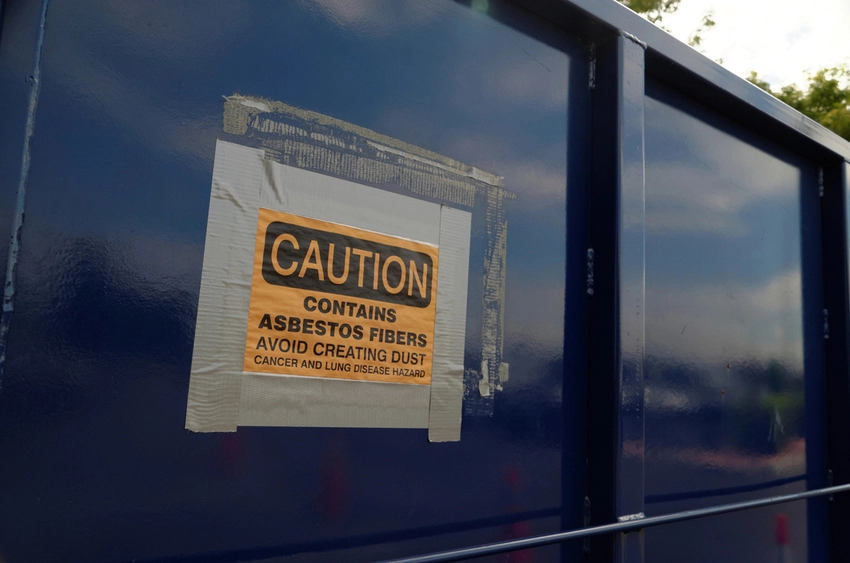
Schools have to follow stricter asbestos reporting requirements since children are especially vulnerable to asbestos. The federal Asbestos Hazard Emergency Response Act requires public and non-profit schools to conduct asbestos inspections every three years. The school should also train and assign a staff member to ensure compliance and send required notifications.
If a school has asbestos, it doesn’t always need to be removed, especially if it’s already contained or in an area that doesn’t endanger kids or staff. But, you will need to make an asbestos management plan that includes:
- Information about the school and the date of the inspection
- A blueprint identifying the location of the asbestos and the building materials
- Your planned preventative measures or removal process
- Your re-inspection plans or schedule
- Contact info for the designated staff member
Your school should have a copy of the plan at all times. You’ll also need to conduct regular inspections, especially if the asbestos materials are at risk of crumbling or chipping, and update the plan periodically.
Schools are also required to send annual notifications to parents and staff about the condition of asbestos-containing materials and the current management plan.
Asbestos Removal & Abatement Regulations
Homeowners can DIY minor removal jobs, so long as they take proper personal safety precautions. But commercial property owners and schools must work with a licensed asbestos abatement contractor to perform the abatement. Check out our article on asbestos removal vs encapsulation to determine which option is right for your business.
Post Abatement Testing Requirements
After your contractors are finished, commercial property owners should also follow up with post-abatement testing to ensure there are no airborne asbestos particles in the space and that the air is safe to breathe.
Private homeowners can skip this step, but commercial property owners should contact a licensed inspector separate from their abatement contractor to ensure test results are free of conflicts of interest. Check the list of licensed asbestos inspectors certified in Rhode Island for more information.
Work with An Asbestos Abatement Contractor
If you need to remove or encapsulate asbestos ASAP, PRIME is ready to make your space safe to live or work in again.
We specialize in abatement for commercial buildings, schools, churches, and other public-facing buildings. Our certified asbestos abatement contractors are trained in the latest techniques and use cutting-edge equipment to thoroughly remove or seal away asbestos.
Trust our team to deliver the fastest results with the lowest prices in the state: Contact us today to tell us about your project.