

Asbestos Siding: When Does It Need Professional Removal?
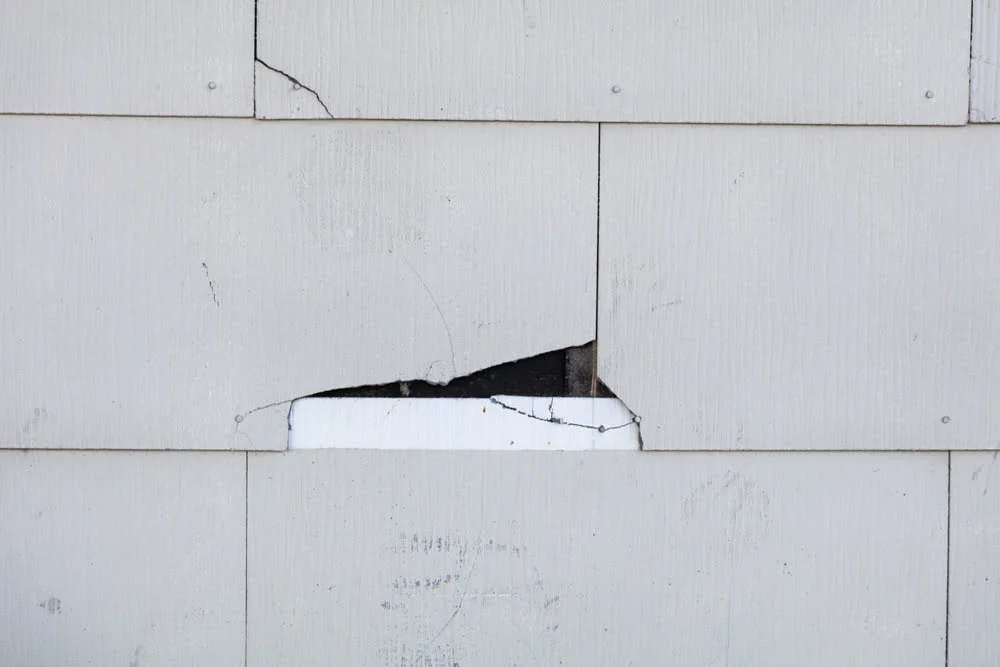
Table of Contents
- Understanding Asbestos Siding and Its Risks
- What an Asbestos Siding Inspection Can Tell You
- When Does Asbestos Siding Need to Be Removed?
- Asbestos Siding Repair vs. Removal
- Planning Professional Asbestos Abatement in Rhode Island
- What Affects Asbestos Siding Removal Cost?
- Next Steps for Your Property
Understanding Asbestos Siding and Its Risks
Asbestos siding is one of several older building materials made with asbestos, including cement siding shingles. Its presence can understandably concern property owners, but the condition of the material and the likelihood of disturbance are important factors in assessing risk.
You generally cannot confirm that siding contains asbestos simply by looking at its color, texture, or shape. Similar-looking products may contain different materials, so appearance and the age of the building alone are not enough to make a definitive identification.
Is Asbestos Siding Dangerous?
The main concern is the release of asbestos fibers that can be inhaled. Exposure can cause serious long-term health problems, including lung disease and cancer.
Intact, undisturbed asbestos-containing siding is less likely to release fibers. Cutting, drilling, sanding, breaking, or otherwise disturbing it can increase the risk. Being outdoors does not make those activities safe.
The EPA asbestos protection guide recommends leaving undamaged asbestos-containing materials alone when they will not be disturbed. It also explains when professional inspection, repair, or removal should be considered.
What an Asbestos Siding Inspection Can Tell You
An asbestos siding inspection helps establish the condition of the exterior and identify whether further evaluation is needed. A qualified inspector can assess visible deterioration and consider how planned improvements could affect the siding.
Areas of concern may include:
- Cracked, broken, or missing shingles.
- Loose panels or damaged attachment points.
- Crumbling material or debris near the building.
- Areas affected by impacts or previous construction.
- Locations where upcoming work would require cutting, drilling, or removing siding.
A visual inspection helps evaluate condition, but it does not confirm asbestos content. That requires laboratory analysis.
When Asbestos Siding Testing Makes Sense
Asbestos siding testing may be appropriate when suspect material is damaged or a renovation would disturb it. Testing is not automatically necessary for every intact material that will remain untouched.
Have a qualified asbestos professional collect any necessary samples and arrange analysis through an appropriate laboratory. Attempting to break off a piece yourself can release fibers and create an avoidable exposure risk.
The Rhode Island Department of Health offers asbestos guidance for homeowners, including resources for finding certified inspectors, laboratories, and licensed abatement contractors.
When Does Asbestos Siding Need to Be Removed?
The question “Does asbestos siding need to be removed?” depends on more than whether asbestos is present. A professional should consider the extent of damage, the feasibility of repair, and whether planned work can proceed without disturbing the material.
Removal may be appropriate when siding is extensively damaged and cannot reasonably be repaired, or when a renovation requires disturbing it. A positive test result alone does not mean the entire exterior must be removed.
Cracked Asbestos Siding and Other Damage
Cracked asbestos siding or damaged asbestos siding warrants professional evaluation, but an isolated crack does not automatically require complete removal.
Damage can increase the potential for fiber release, particularly if the material is crumbling or repeatedly disturbed. The extent and location of the damage help determine whether a limited repair or a larger removal project is appropriate.
Until the material has been assessed, avoid handling damaged sections or disturbing nearby debris. Do not attempt to prepare suspect siding for repairs by sanding, scraping, drilling, or pressure washing it.
Planning for Asbestos Siding Replacement
Before arranging asbestos siding replacement, tell your contractor that the existing siding may contain asbestos. Work involving window openings, additions, exterior insulation, or removal of existing cladding can disturb materials that were previously intact.
Planning the assessment before construction begins allows the project team to coordinate any necessary testing, abatement, and reconstruction. It also helps prevent a general siding crew from encountering an unexpected hazard after work has started.
Covering existing siding is not automatically a safe alternative. Fastening new materials through it can still cause disturbance, so any proposed approach should be evaluated before installation.
Asbestos Siding Repair vs. Removal
Choosing between asbestos siding repair and asbestos siding removal requires an assessment of both the material and the project. The goal is to manage the hazard appropriately without creating unnecessary disturbance.
Professional repair may involve sealing or covering suitable asbestos-containing material. These approaches leave the asbestos in place, so future contractors still need to know it is there.
Removal may be the more appropriate option when:
- Damage is extensive and a durable repair is not practical.
- Renovations require removing or disturbing the existing siding.
- The material is deteriorating in ways that cannot be adequately managed in place.
- A qualified assessment identifies removal as the appropriate response.
Asbestos abatement does not always mean complete removal. It can include methods such as repair, enclosure, or encapsulation, depending on the material and circumstances.
Selling a property also does not automatically require asbestos siding removal. Rhode Island’s homeowner guidance notes that the presence of asbestos does not itself prohibit a property sale. Transaction-specific disclosure and inspection questions should be addressed with the appropriate professionals.
Planning Professional Asbestos Abatement in Rhode Island
If removal or repair is recommended, use appropriately trained and licensed professionals. Professional asbestos removal involves evaluating the work area, limiting fiber release, managing waste, and completing the required cleanup.
For property owners researching asbestos abatement Rhode Island services, it is important to understand that requirements can vary by building type and project scope.
State Requirements and Project Planning
The Rhode Island Department of Health states that one- and two-family homes are generally exempt from the state’s Asbestos Control Regulations. That exemption should not be interpreted as a reason to disturb asbestos yourself or assume no other requirements apply. RIDOH recommends trained, licensed professionals for asbestos repair and removal.
For regulated buildings, abatement activities exceeding spot repairs require submission of an abatement plan. RIDOH also describes advance contractor notification requirements and a process for requesting waivers.
Have the project team review the Rhode Island Department of Health’s abatement plan requirements and confirm which rules apply to your property before establishing a construction start date.
What to Discuss With Your Contractor
Before work begins, request a written scope that explains:
- Which materials and areas are included.
- Whether the recommended approach is repair or removal.
- Which approvals or notifications apply.
- How nearby areas will be protected.
- How waste handling and disposal will be managed.
- What cleanup, inspection, and completion documentation are included.
If replacement or rebuilding is needed afterward, coordinate that work with the abatement schedule. Ask Prime Remediation about its construction services and whether they fit your project’s reconstruction needs.
Discuss your property’s needs with Prime Remediation to understand how its asbestos abatement services fit into your project.
What Affects Asbestos Siding Removal Cost?
Asbestos siding removal cost depends on the specific property and scope of work. A useful estimate should explain what is included rather than provide only a single price.
Factors to discuss with your contractor include:
- The amount of siding involved.
- Its condition and the extent of damage.
- Building height and access to the work area.
- Testing and inspection needs.
- Applicable planning and notification requirements.
- Waste transportation and disposal.
- Cleanup and any required follow-up evaluation.
Ask whether the estimate includes replacement siding or reconstruction. Abatement and installation of the new exterior may be separate parts of the project.
Providing photographs, available inspection reports, and a clear description of planned renovations can help start the conversation. A site assessment may still be needed before the contractor can define the work and provide an accurate quote.
Next Steps for Your Property
Managing asbestos siding starts with understanding its condition and avoiding unnecessary disturbance. Intact siding may be suitable to remain in place, while damage or planned renovations may call for professional repair or removal.
Contact Prime Remediation today to discuss your siding concerns, any visible damage, and your renovation plans. Our team can help you understand the appropriate next steps and whether an evaluation is needed.