

9x9 Asbestos Tiles: How to Safely Identify and Remove Them
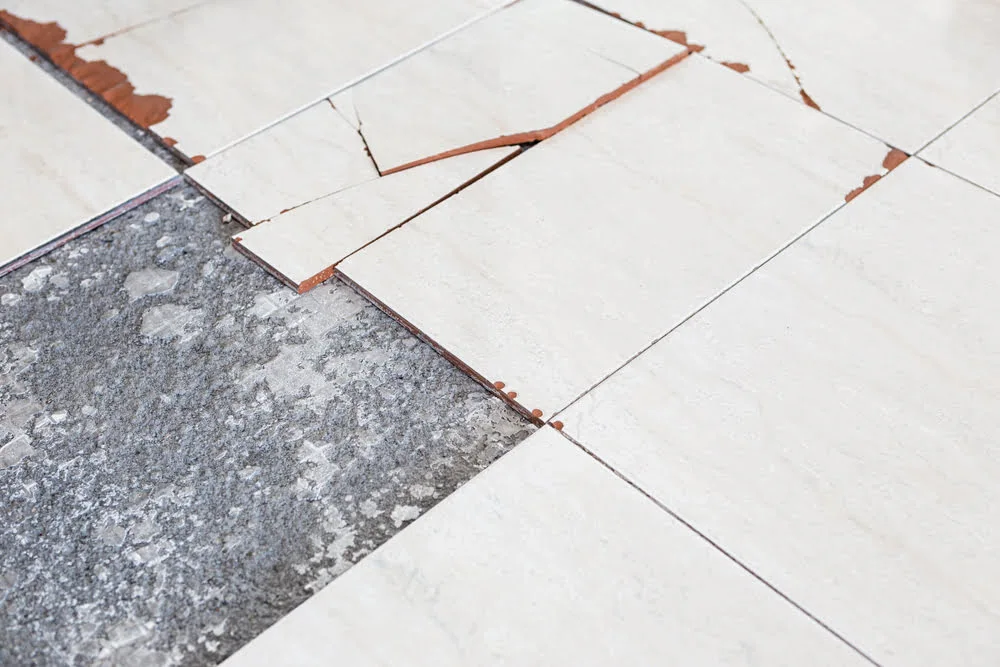
If your building was constructed before the 1980s, it almost certainly has asbestos. Tiling is one of the most common culprits, especially 9x9 asbestos floor tiles. Intact tiles aren’t always dangerous, but once a tile starts to chip or crumble, dangerous asbestos particles can leach into the air and pose health risks to anyone in the space, making removal or remediation a must-have.
Below, learn how to tell if your building’s tiles have asbestos and whether removal or remediation is better for you, courtesy of a Rhode Island asbestos contractor.
What are 9x9 Asbestos Tiles?
Starting in the 1940s, tile manufacturers started mixing asbestos into their vinyl floor tiles as a cheap way to make them fireproof and more resilient. They usually contain about 1 to 9% chrysotile asbestos. Asbestos was also common in the adhesives used to stick the tiles to the subflooring.
These tiles were in widespread use until the early 1980s, when asbestos was formally banned in building materials in the US. 9x9 asbestos floor tiles were the most common tiling type during this era, to the point where modern contractors came up with the Rule of 9s: 99% of 9x9 vintage floor tiles have asbestos.
Are All 9x9 Tiles Asbestos?
Not necessarily. Asbestos floor tiles came in other sizes, like 12x12 and 18x18, and a small percentage of 9x9 vintage floor tiles weren’t made with asbestos.
That said, 9x9 was still the most common size for vinyl asbestos floor tiles. So, if your pre-1980s building still has its original 9x9 tiles, it’s safe to assume that the Rule of 9s applies.
How to Identify 9x9 Asbestos Tiles
The only way to be 100% sure if your tiles contain asbestos is to get a sample professionally tested. The tiles came in all types of colors and shapes, so you can’t necessarily tell by sight alone (other than by looking at the size).
But if you don’t want to pay a professional to test a sample, there are a few other ways to understand what you’re dealing with:
- Look for identifying marks: If any of the tiles have visible branding, you can contact the manufacturer to see if they still have info on the tiles.
- Check the adhesive: See if any of the adhesive is visible. If it’s a blackish color, that’s a good sign that it contains asbestos, meaning the floor tiles likely have it, too.
- Look at the texture: if the tiles are brittle or chalky, that’s a good sign that asbestos is present, but it isn’t an absolute.
- Discoloration: Yellowing or obvious mid-century designs can be a good indication that you’re dealing with asbestos tiles.
Don’t DIY Right Away
If you’re positive your tiles have asbestos, you probably want to rip them up and get them out of your building ASAP. But that could actually disturb the asbestos inside the tiles and send the particles airborne. This can leave anyone who lives, works in, or visits your space at risk of exposure and increase their risk of long-term health effects like mesothelioma or lung cancer.
Luckily, if the tiles are still intact, they aren’t an immediate risk. You can leave them in place until you contact an asbestos contractor or come up with a DIY plan.
Removal vs Encapsulation of Asbestos Tiles
There are two main options to address asbestos floor tiles: Removal and encapsulation. Each option is an effective way to address asbestos, but the right one depends on the condition of your tiles.
Encapsulating Asbestos Tiles
If the tiles are still in good shape, the easiest option is to seal them underneath new flooring. Start by coating the existing floor with a tile primer, and lay down new tiles or luxury vinyl planks.
The tiles are hidden underneath a new floor, where they can’t pose any healthy risks, and it’s a more affordable option than total removal.
Removing 9x9 Asbestos Tiles
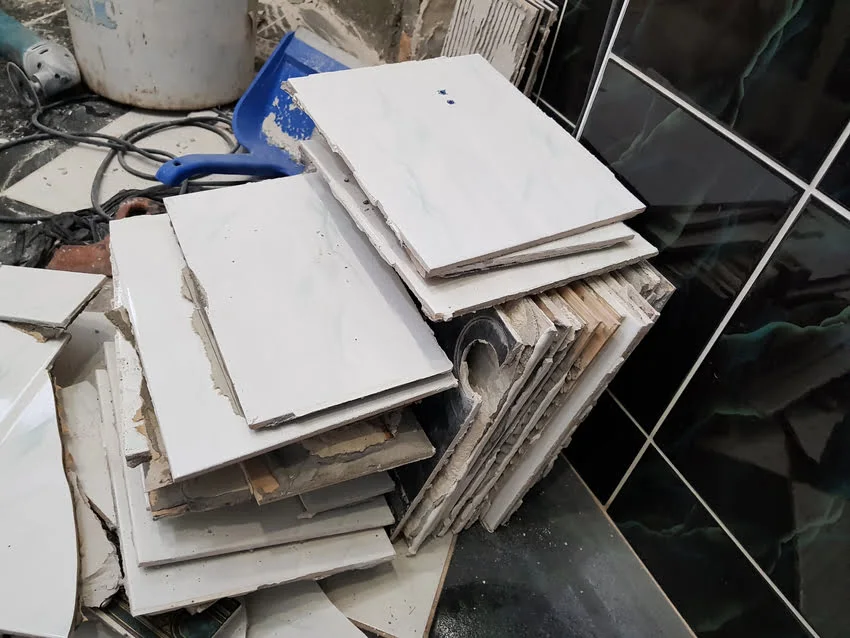
If the tiles are already crumbling, removing them altogether might be the more practical option. Removing 9x9 asbestos tiles is much more difficult, since you’ll need to seal off the work area from the rest of the building, don personal protective equipment, and ensure you have a HEPA air filter running to prevent asbestos particles from leaving your work area.
Because removal is a more intensive process with more potential for DIY errors, the Mesothelioma Center suggests calling a licensed contractor rather than going it alone.
A Word about Commercial Buildings
Legally, private homeowners can deal with asbestos on their own if no bigger than a single family or duplex. Federal OSHA, EPA, and disposal regulations still apply. However, some states, including Rhode Island, don’t allow DIY removals for commercial buildings. Instead, you’ll need to leave it to a licensed asbestos contractor and follow guidance from the Rhode Island Department of Health.
Additionally, schools have to follow much stricter guidelines for asbestos. You can learn more about asbestos reporting and monitoring requirements for schools on our blog.
Work with A Rhode Island Asbestos Contractor
If you’ve found asbestos tiles in a school, apartment building, store, or any other commercial space, PRIME Remediation is here to help.
We pride ourselves on having the most affordable rates in the state and will strive to complete your job with minimal downtime for your building. You can trust us to develop an efficient, budget-friendly plan to address your 9x9 asbestos floor tiles and give your space the new, safe floor it deserves.
Contact us today by calling, emailing, or leaving a message, and we’ll get back to you ASAP!