
Vermiculite Insulation and Asbestos: The Hidden Hazards in Asbestos
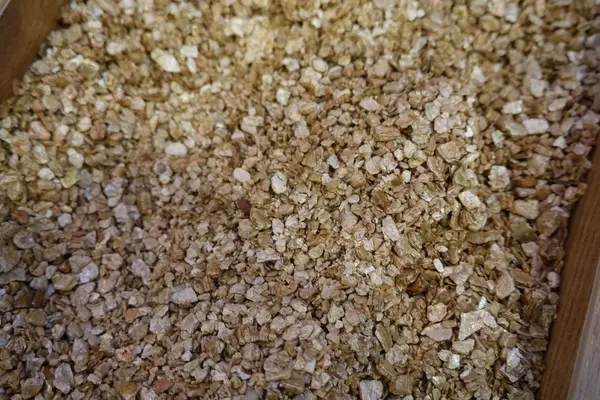
If you’ve ever explored the attic in a 20th-century building, you may have spotted what looks like gravel sitting between the rafters. This is actually vermiculite, a type of insulation, and it could contain dangerous asbestos particles.
The vast majority of vermiculite insulation is contaminated with asbestos, making it crucial to identify and address it. Learn all about your options for safe vermiculite removal below, courtesy of a Rhode Island asbestos abatement professional.
What Is Vermiculite Insulation?
Vermiculite is a naturally occurring mineral that looks like small, flaky pebbles. It expands, or ‘pops,’ up to 30 times its original size when heated. It’s lightweight, fire-resistant, and odorless, which made it an attractive insulation material for walls and attics throughout the 20th century. It’s also called ‘loose fill’ insulation.
What is asbestos?
Asbestos is a group of fibrous, fireproof minerals that were commonly used in construction projects throughout the 20th century. When inhaled, they lodge in the lungs, causing irritation and inflammation. It’s linked to serious respiratory conditions, such as mesothelioma and cancer.
Does Vermiculite Insulation Contain Asbestos?
Pure Vermiculite doesn’t contain asbestos. However, 70 to 80% of all the vermiculite insulation used between 1925 and 1990 came from an asbestos-contaminated mine in Libby, Montana. Vermiculite insulation from the contaminated mine was commonly sold under the brand name ‘Zonolite.’
Mining in Libby exposed both workers and residents to severe asbestos contamination, with over 2,400 people in the town diagnosed with asbestos-related illnesses since mining began.
Contaminated vermiculite insulation from the Libby mine still remains in schools, businesses, and as many as 35 million homes across the US. The asbestos particles they contain can pose a health hazard to anyone living or working in an affected building.
Dangers of Asbestos Exposure from Vermiculite insulation
There is no ‘safe’ level of asbestos exposure. Even the small amounts in vermiculite are dangerous. Repeated exposure can increase your risk of eventually developing conditions like lung cancer, mesothelioma, lung scarring, or pleural effusions.
The more asbestos you breathe in over time, the higher your risk of contracting a lung condition.
How to Identify Asbestos-Contaminated Vermiculite Insulation
Vermiculite looks like brown or grey pebbles. You may also spot more fibrous, accordion-like pieces mixed in, which are vermiculite that’s “popped” under heat. Vermiculite was most commonly poured in between joists in attics, but you might also encounter it in wall cavities or around pipes and wires.
It’s not possible to distinguish asbestos-contaminated vermiculite insulation from safe vermiculite on sight alone. However, since the vast majority of vermiculite insulation came from the contaminated Libby mine, the Environmental Protection Agency (EPA) recommends treating all vermiculite insulation as hazardous.
If you encounter vermiculite in an attic or during a renovation, don’t move it or touch it. Leave it alone until you can come up with a game plan.
Can you test for asbestos in vermiculite?
Technically, yes. But asbestos tests for vermiculite are often inaccurate and expensive. In fact, some states xdon’t even allow collecting vermiculite samples for testing (although, Rhode Island isn’t one of them)
It’s why the EPA doesn’t recommend testing vermiculite at all. It’s easier to assume the vermiculite contains asbestos and treat it accordingly.
What to do if you have vermiculite insulation
In some cases, it’s all right to leave vermiculite insulation alone, especially if it’s in an attic, where it’s sealed away from living areas and vents. In fact, moving the vermiculite could send the asbestos particles airborne.
However, vermiculite needs to be addressed if:
- The vermiculite is exposed, such as if a ceiling has holes or is crumbling
- Renovations will disturb or expose the vermiculite
- It’s a public building, such as a school
- You want to improve a home or building’s resale value
- Someone living in an impacted home has preexisting lung conditions
- You need total peace of mind
How to Safely Remove Vermiculite Insulation
The EPA doesn’t recommend trying to remove vermiculite on your own. The way it was loosely poured into spaces poses a complex removal hazard without professional equipment.
Plus, DIY solutions aren’t allowed in some states. For example, in Rhode Island, a licensed contractor must remove or encapsulate asbestos from a commercial building or a school.
Remediation
Some asbestos materials can be sealed rather than removed with options like foams or sprays. But this isn’t ideal for vermiculite, especially in an attic. Adding more weight on top of the vermiculite can stress the ceiling and increase the risk of cracks or crumbling. If leaving the vermiculite alone isn’t an option, removal is a more practical choice.
Removal
Professionals will start by suiting up in personal protective equipment, ventilating the space, and quarantining the work area from the rest of the building.
Typically, they’ll lightly spray down the vermiculite with water to stop the spread of airborne particles. However, they need to be careful not to use too much, as moisture can lead to mold or fungal growth in attic spaces. Certified professionals have the training to understand the right balance. They’ll also use a specialized HEPA vacuum to collect the vermiculite into sealed bags for disposal.
Throughout the process, the contractors run high-powered air filters to trap any stray particles. When they’re done, you can ask an inspector to take an air sample for testing, so you have the reassurance that there are no asbestos particles in your building anymore.
What does vermiculite asbestos insulation removal cost?
That depends on the square footage of your space, whether it’s a residential or commercial building, and any complexities, such as a particularly cramped attic layout.
For the most accurate numbers, reach out to a licensed asbestos abatement company for a quote.
Asbestos Remediation Services in Rhode Island
At PRIME, we can help you safely remove vermiculite asbestos in attics, walls, or anywhere else on your property. We take every precaution to contain the dust spread, so no particles make their way into the rest of your space. We specialize in non-residential and commercial properties and are proud to offer some of most competitive prices in the state, so you can get back in operation without skipping a beat.
Contact us today for an asbestos removal quote.