

Asbestos & Real Estate Deals For Rhode Island Buyers and Sellers
Whether you’re a buyer or a seller, learning that a property has asbestos can bring your deal to a screeching halt. But while airborne asbestos causes serious health risks like mesothelioma, it’s not an unsolvable problem on a property.
Even if you find asbestos during the inspection period, there are still solutions that can address it safely and lead to a deal that all parties can feel good about.
Below, learn all about buying or selling a house with asbestos, including how to handle the asbestos contingency, courtesy of a Rhode Island asbestos abatement company.
How Does Asbestos Affect Real Estate Deals?
The presence of asbestos can lower the market value of a house, create potential health risks for buyers, or open the door to fines and legal liability without proper disclosure. Here are concerns to be aware of on both the buyers’ and sellers’ sides.
Asbestos Real Estate Regulations for Selling a House With Asbestos
For sellers, it’s important to follow Rhode Island state and federal asbestos regulations concerning residential property, so you can maintain transparency while your property is on the market.
Do You Have to Disclose Asbestos in a Real Estate Sale?
Yes, if you know of any asbestos anywhere on the property, Rhode Island law requires you to disclose it to prospective buyers.
While you’re not legally required to inspect or remove it, you’ll have to fill out a disclosure form for residential real estate sales.
Does a Realtor Have to Disclose Asbestos in an Asbestos Real Estate Deal?
Realtors representing the seller have a responsibility to disclose any known asbestos to potential buyers, especially if the asbestos is airborne in areas that a buyer would tour.
Asbestos Real Estate: What Happens if a Seller Doesn't Disclose Asbestos?
If you or your realtor doesn’t follow proper disclosure when selling a house with asbestos, you can be held accountable under the law with a fine of $1,000. It also opens you up to potential liability suits from the buyer for failure to disclose.
Buying A Home With Asbestos: What Future Property Owners Should Know
If you’re in the closing phases of a contract with on-site asbestos, you’re no doubt concerned about how it will impact your property values and the safety of your family.
Where Is Asbestos Commonly Located in Older Asbestos Real Estate?
Asbestos could be literally anywhere in an older house. But some of the most common places to find it include:
- Ceiling tiles and popcorn ceilings
- Vinyl floor tiles and adhesive backings
- Pipe Insulation and boiler insulation
- Attic insulation, both foam and vermiculite
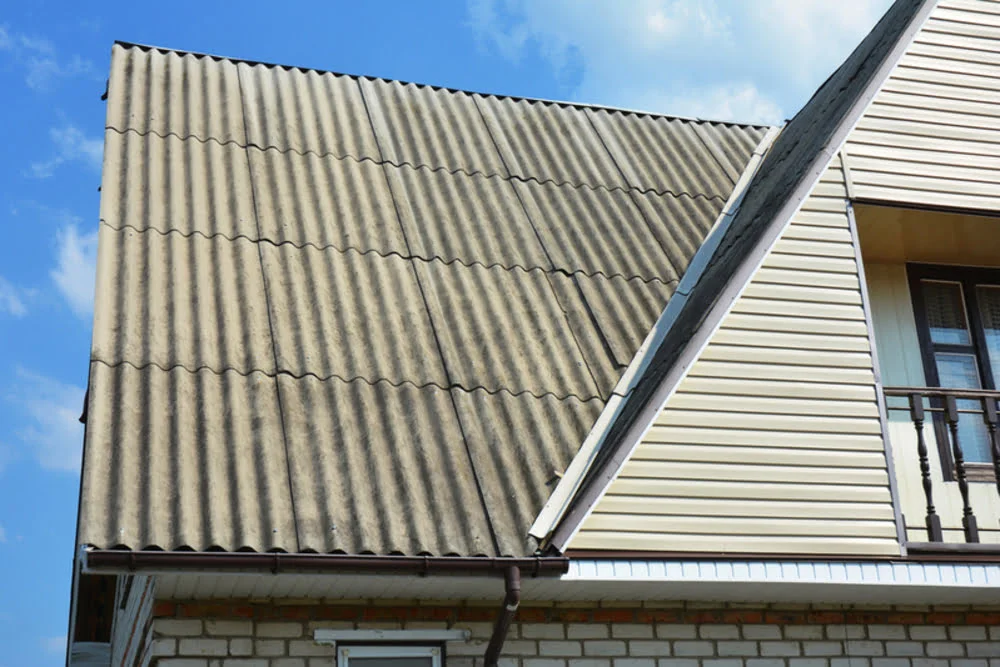
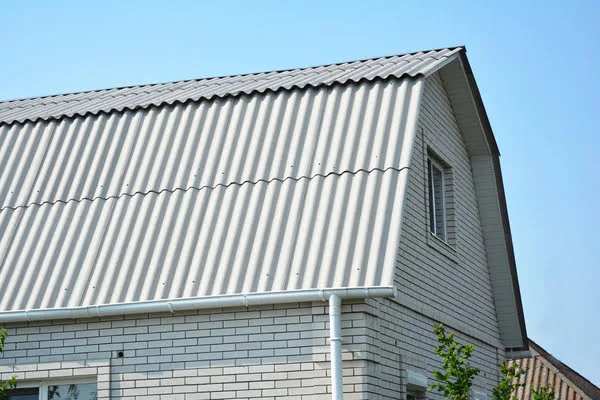
- Siding and shingles
Is Buying Real Estate With Asbestos a Bad Idea?
Not necessarily. While asbestos is dangerous when it’s airborne, intact asbestos actually doesn’t pose an immediate health risk.
For example, if you’re dealing with a surface like intact asbestos floor tiles, the risk to your health is minimal because the particles are locked inside the tiles. If the tiles were chipped or cracked, options like asbestos encapsulation could help you safely and affordably seal them away.
How Much Does The Presence Of Asbestos Reduce A Home's Price?
That depends on how much asbestos there is, where it’s located, and what kind of shape the building material is in. Your realtor can advise you on negotiating a new offer that reflects the work required to make the home safe to live in.
In general, most homeowners pay between $1,200 and $3,300 to remove asbestos from a contained area, with more widespread asbestos removal costing over $5,000 per job.
Asbestos and Commercial Property: How It Affects Real Estate Deals
In Rhode Island, commercial properties follow slightly different disclosure rules, but the basic principles of transparency and property values remain the same.
When Is An Asbestos Report Required for Commercial Property
Rhode Island doesn’t require sales disclosures for commercial properties without dwelling units. However, a federal law called the Comprehensive Environmental Response, Compensation, and Liability Act (CERCLA) requires sellers of commercial properties to disclose any known hazardous pollutants, which can include asbestos.
What Is An Asbestos Contingency?
An asbestos contingency is a clause in a buyer’s contract that allows them to request an asbestos test during the inspection stage.
Including the contingency should always be a standard part of the contract when purchasing a pre-1980s property, especially if the property has never been renovated or you plan on adding your own renovations that might disturb older asbestos.
In Rhode Island, asbestos tests are required to be done by a specialised inspector, who works separately from standard home inspectors. You can see a list on the Department of Health’s website.
How to Save An Asbestos Real Estate Deal
If an asbestos test comes back positive, don’t panic. Even more expensive remediation options also have potential solutions that can still save a real estate deal, such as the following:
- Agree to remediation: The most straightforward option is to simply remediate the asbestos before your closing date. Options like encapsulation are actually quite affordable, usually around $70 - $100 per linear foot.
- Change the price: The seller may agree to lower the sales price of the property, equivalent to what the future homeowner would pay for professional remediation.
- Credit or escrow: Instead of a direct price drop, the seller might use options like a closing credit cost. They might also consider placing funds in escrow to pay licensed contractors after the abatement is finished.
Call PRIME Remediation for Asbestos Remediation in Rhode Island
If you need to remove asbestos from a commercial property on or off the market in Rhode Island, PRIME Remediation is here for you. We specialize in large-scale asbestos abatement jobs for commercial properties, schools, and other non-residential buildings.
Whether you need to encapsulate vintage floor tiles or remove vermiculite from an attic space, our team will work hard to make spaces of any size totally safe to live or work inside, so your real estate deals or renovations don’t have to go on hold. Contact us today for a quote on your property.